
Top 3 Rootstocks for Containers, Insights From a British Orchard Specialist
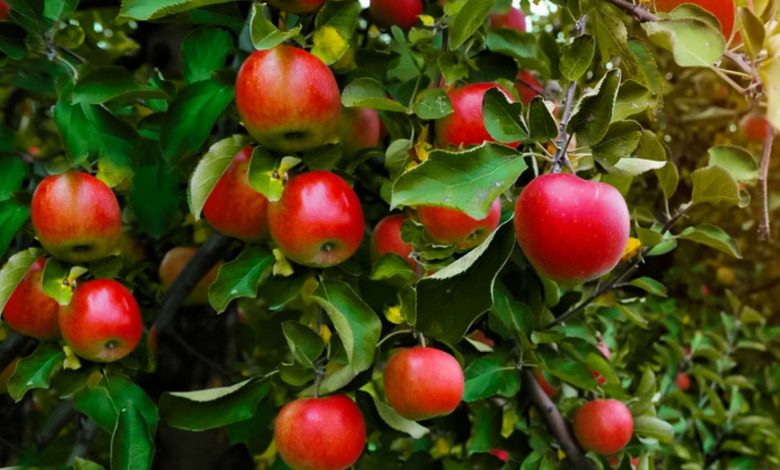
Gardening in the United Kingdom has shifted dramatically in recent decades, moving away from the sprawling, traditional orchards of the countryside to the more intimate and controlled environments of urban patios, balconies, and compact back gardens. This transition has not diminished the British appetite for homegrown produce; rather, it has refined it, placing a premium on efficiency and spatial economy. The ability to grow productive fruit trees in containers is no longer a novelty but a staple of modern horticulture, driven largely by advancements in rootstock technology. For the uninitiated, the success of a potted tree depends less on the variety of the apple or pear and almost entirely on the root system to which it is grafted. Understanding this biological foundation is the key to harvesting crate-loads of fruit from a tree that sits comfortably in a pot no larger than a dustbin.
The fruit trees experts at Fruit-Trees nursery emphasize that success in limited spaces begins with the correct foundation. They advise that aspiring gardeners must prioritise the rootstock over the variety name when selecting their plants. In their view, identifying the correct smaller growing rootstocks is the most critical step for container growing, as these specialized roots regulate the tree’s vigour and ensure it remains truly miniature while still fruiting prolifically. Their guidance suggests that without this restriction, even a container will not prevent a standard tree from attempting to reach its full, unmanageable size, resulting in poor health and low yields.
When you decide to buy fruit trees for a patio or terrace, you are essentially purchasing two plants joined as one: the scion, which provides the fruit variety, and the rootstock, which dictates the size. In the United Kingdom, where damp, maritime conditions can encourage excessive vegetative growth, the restraining influence of a dwarfing rootstock is indispensable. Without it, a tree will expend its energy on timber production rather than fruit, a disaster for the container gardener. The following sections examine the three most significant rootstocks for container cultivation in the British climate, exploring how they function and why they remain the gold standard for small-scale orchards.
The Mechanism of Rootstocks in Confined Spaces
To appreciate why specific rootstocks are recommended for containers, one must first understand the physiological relationship between the root and the canopy. A rootstock is not merely an anchor; it is a hormonal regulator. Dwarfing rootstocks function by restricting the flow of sap and nutrients to the upper parts of the tree, which induces a state of stress that mimics maturity. In nature, a tree often only fruits heavily when it feels established or threatened, ensuring its genetic survival. Dwarfing stocks trick the young scion into believing it is older than it is, encouraging the early formation of fruit buds rather than long, barren branches. For the container gardener, this precocity is a significant advantage, as it often leads to a harvest within two years of planting, compared to the five or six years typical of standard trees.
The confinement of a pot adds another layer of complexity to this relationship. A standard vigorous rootstock placed in a pot will quickly circle the container, becoming “pot-bound” and choking itself. It will struggle against the restriction, often resulting in nutrient deficiencies and a lack of water uptake as the ratio of root mass to soil volume becomes unbalanced. Conversely, a rootstock bred for weak vigour is naturally less aggressive. Its root system is smaller and finer, exploring the compost without rapidly exhausting it. This compatibility between the biological vigour of the rootstock and the physical constraint of the pot is what allows for long-term health. The tree is not fighting its environment but is genetically predisposed to thrive within it.
Furthermore, the influence of the rootstock extends to the resilience of the tree against British weather patterns. Container trees are more exposed to the elements than their ground-planted counterparts. The roots are above ground, susceptible to freezing in winter and overheating in summer. The best rootstocks for containers, therefore, need to be hardy enough to withstand these temperature fluctuations while maintaining their dwarfing characteristics. They must also be efficient at nutrient uptake, as compost in containers can leach minerals quickly due to frequent watering. The three rootstocks detailed below have been selected not just for their size control, but for their proven track record in handling the specific demands of the UK’s variable climate and the unique stresses of container culture.
M27 The Ultimate Miniature for Apple Trees
Among the pantheon of apple rootstocks, the M27 stands unrivalled as the premier choice for the extremely space-conscious gardener. Developed in England, it is the most dwarfing apple rootstock currently available commercially, designed specifically to produce a tree that rarely exceeds six feet in height, even when left unpruned. For the urban dweller with nothing more than a small balcony or a paved courtyard, M27 transforms the possibility of growing apples from a dream into a tangible reality. The primary characteristic of M27 is its extreme restriction of vegetative growth, which forces the tree to channel almost all its energy into fruit production. It is not uncommon to see a spindly M27 tree laden with full-sized apples, looking almost comical in its productivity relative to its size.
The management of an M27 tree differs significantly from that of larger orchard trees. Because it lacks vigour, it requires permanent staking. The wood is often brittle and cannot support the weight of its own crop without assistance, especially in the blustery conditions often found in British gardens. In a container, this is easily remedied by incorporating a sturdy bamboo cane or wooden stake into the potting setup at the time of planting. The stake provides the necessary backbone, allowing the tree to focus on fruiting. Furthermore, M27 is highly precocious. It is quite normal for a maiden tree planted in winter to produce a small crop the very first summer. This immediate gratification is highly appealing to novice gardeners who may be discouraged by the long wait times associated with traditional gardening.
However, the M27’s lack of vigour means it has no margin for error regarding care. It cannot recover easily from neglect. If an M27 tree is allowed to dry out completely or is starved of nutrients, it will essentially shut down and may never fully recover its growth momentum. It demands high-quality compost, regular feeding, and consistent watering. It is less suited to poor, sandy soils or neglectful watering schedules. In the context of a container, however, these conditions are controllable. The gardener determines the soil quality and water supply, making the container environment the perfect “intensive care” unit where the M27 can thrive. It is the ideal candidate for “step-over” training or small bush shapes, allowing for high-density planting where different varieties can be grouped closely together to aid pollination without fear of them tangling into a dense thicket.
Gisela 5 The Breakthrough for Cherry Lovers
For decades, sweet cherries were the forbidden fruit of the small garden. Traditional cherry rootstocks, such as Colt or Malling F12/1, produced enormous trees that were impossible to net against birds and difficult to harvest without a long ladder. The introduction of the Gisela series from Germany, particularly the Gisela 5, revolutionised cherry growing in the UK and made pot cultivation a viable option for the first time. Gisela 5 is a semi-dwarfing rootstock, reducing the cherry tree to roughly 50% of the size of a standard tree. While this is larger than the M27 apple, for a cherry tree, it counts as miniature, typically reaching a manageable height of around eight to ten feet, or easily kept to six feet with pruning in a container.
The significance of Gisela 5 lies in its ability to induce fruiting on young wood. Traditional cherry trees often require years of growth before they bear significant fruit, but Gisela 5 promotes heavy cropping from an early age. This is particularly important for container growing, where the gardener wants to justify the space the pot occupies. The rootstock is also highly compatible with modern self-fertile cherry varieties like ‘Sunburst’ and ‘Stella’, which are favourites in the UK. A self-fertile variety on Gisela 5 removes the need for a pollination partner, meaning a single pot on a patio can yield a substantial harvest of dark, sweet cherries. This efficiency is crucial for urban gardens where space for multiple trees is rarely available.
Gisela 5 also addresses the issue of bird protection. Because the tree remains compact, it is straightforward to drape a net over the entire plant as the fruit begins to redden. On a standard tree, this task is dangerous and difficult; on a container-grown Gisela 5, it is a matter of minutes. The rootstock prefers a moisture-retentive soil and does not tolerate drought well, which aligns perfectly with container culture where watering can be monitored. It is robust enough to handle the colder winters of the northern UK but requires good drainage to prevent root rot. For anyone wanting to grow stone fruit in a pot, Gisela 5 is the industry standard, bridging the gap between the wild vigour of the cherry and the domestic constraints of the flowerpot.
Quince C The Compact Solution for Pears
Pears are notoriously slow to crop and vigorous in their growth habit, often described by the old adage that you plant pears for your heirs. The Quince C rootstock changes this narrative, offering a dwarfing influence that brings pear trees into the realm of the patio gardener. While Quince A is the general-purpose rootstock for commercial orchards, Quince C is slightly more dwarfing, producing a tree about 10% to 20% smaller than Quince A. More importantly, it induces earlier cropping and better fruit set, which is often a challenge with pears in the UK due to early flowering and frost risks. A pear tree on Quince C is manageable, productive, and ideally suited to the restrictions of a large pot.
One of the unique attributes of Quince C is its ability to improve the fruit quality. Research and grower experience suggest that pears grown on Quince C often have higher sugar levels and better skin finish compared to those on more vigorous stocks. This is likely due to the tree’s energy being concentrated into a smaller number of fruits rather than vegetative extension. For the home gardener, quality is often preferred over quantity, and the taste of a sun-warmed Conference or Comice pear harvested from a patio tree is superior to supermarket produce. Quince C also encourages a slightly more spreading habit in the tree, which is beneficial for light penetration and air circulation, reducing the risk of fungal diseases like pear scab which are prevalent in the damp British climate.
However, Quince C does have specific requirements. It is not fully compatible with all pear varieties, although most popular garden varieties graft well onto it. In some cases, a distinct “interstock” is used to ensure compatibility. Like the M27, it benefits from staking, as the root system is not deeply anchoring. In a container, this is less of an issue regarding wind-throw if the pot is heavy enough, but the union between root and scion can be brittle. It thrives in loamy, warm soils, making the controlled environment of a container with high-quality compost ideal. It is sensitive to lime-induced chlorosis, so gardeners should use ericaceous or neutral composts and avoid watering with very hard tap water if possible. Despite these sensitivities, Quince C remains the only logical choice for growing pears in containers if one wishes to keep the tree under seven feet.
Soil Composition and Long-Term Nutrition
Selecting the right rootstock is only half the battle; sustaining that root system within the artificial environment of a container requires careful attention to soil composition. Garden soil is generally unsuitable for pots as it tends to compact, impeding drainage and suffocation the delicate feeder roots of dwarfing stocks like M27 and Gisela 5. The British standard for fruit trees in containers is a loam-based compost, traditionally John Innes No. 3. This mix provides a heavy, stable structure that anchors the roots physically while retaining moisture and nutrients more effectively than peat-based or coir-based alternatives. The loam content acts as a buffer, preventing rapid fluctuations in soil chemistry and moisture levels, which is vital for the stress-sensitive nature of dwarfing rootstocks.
Over time, even the best compost will exhaust its nutrient supply. Dwarfing rootstocks are working hard to produce fruit relative to their size, and they have a limited volume of soil to forage in. Therefore, a structured feeding regime is non-negotiable. Controlled-release fertiliser granules applied in early spring provide a baseline of nutrition, releasing nitrogen, phosphorus, and potassium slowly as the soil warms up. However, as the fruit begins to swell in mid-summer, the tree’s demand for potassium increases. Supplementing with a high-potash liquid feed, such as tomato fertiliser, every two weeks during the growing season ensures that the fruit develops fully and the tree sets strong buds for the following year.
Repotting and top-dressing are also essential maintenance tasks. Every year in late winter, the top two inches of old compost should be scraped away and replaced with fresh John Innes No. 3. This “top-dressing” refreshes the nutrients and improves surface drainage. Eventually, after four or five years, the tree may become root-bound even on a dwarfing stock. At this point, the gardener must remove the tree during its dormant phase, tease out the roots, trim away the thickest, circling roots, and replant it into fresh compost. This root pruning rejuvenates the tree, stimulating the growth of fine feeder roots which are the primary engines of water and nutrient uptake. This cycle of renewal allows a tree on a dwarfing rootstock to remain productive in the same container for fifteen or twenty years.
Container Selection and Environmental Positioning
The physical vessel in which the tree grows is the final piece of the puzzle. While the rootstock restricts the tree’s height, the container size restricts the root mass. A common mistake is to plant a small whip directly into a massive pot, thinking this gives it room to grow. In reality, a vast volume of wet, uninhabited soil can become anaerobic and sour, rotting the roots before they can establish. It is far better to “pot up” in stages, starting with a 10 to 15-litre pot and moving to a 30 or 40-litre container as the tree matures. For a fully grown tree on M27 or Quince C, a container with a diameter of roughly 45-50cm is usually sufficient. Stability is key; dwarfing rootstocks can be top-heavy when laden with fruit, so heavy terracotta or thick-walled plastic is preferable to lightweight materials that might blow over in a gale.
Drainage is paramount. The roots of fruit trees hate sitting in water. Containers must have ample drainage holes, and these should be kept clear of obstruction. Raising the pot off the ground using “pot feet” or bricks aids drainage and prevents frost damage to the pot itself. Positioning the container is equally critical. Most fruit trees require at least six hours of direct sunlight daily to ripen fruit and mature the wood. In the UK, a south or west-facing wall is ideal, as the masonry absorbs heat during the day and radiates it back at night, creating a microclimate that can help protect early blossoms from late frosts.
However, one must be mindful of the “rain shadow” effect. Pots placed close to walls often miss out on rainfall, even during a downpour. The canopy of the tree can also act as an umbrella, shedding water away from the pot. The diligent gardener checks the soil moisture daily in summer, regardless of the weather forecast. The combination of a dwarfing rootstock, which has a limited root run, and a container, which has limited water reserves, means that drying out is the biggest threat to the tree’s life. With correct positioning, vigilant watering, and the right choice of rootstock, the patio orchard can be just as productive as the rolling acres of a commercial farm, providing fresh, chemical-free fruit steps from the back door.


