
A Leading Dental Implants London Specialist Reveals 7 Benefits of Implants
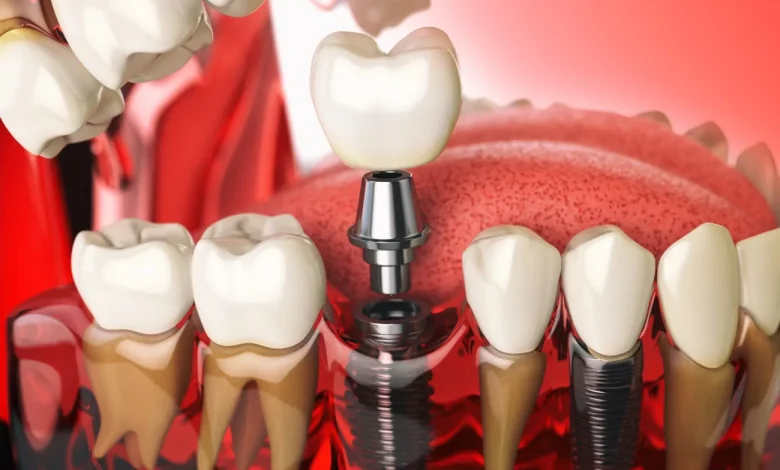
For many adults in London, losing a tooth is not only a cosmetic issue. It can affect speech, chewing, confidence, and even the way the rest of the mouth functions over time. A gap may seem manageable at first, especially if it is toward the back, but the longer it is left untreated, the more likely it is that neighbouring teeth will begin to shift and the bite will change. This is one reason dental implants have become a widely discussed solution in modern dentistry. They are designed to replace the root as well as the visible part of the tooth, which gives them a role that goes beyond appearance alone.
A cosmetic dentist from MaryleboneSmileClinic advises that patients should think about tooth replacement as part of long-term oral health planning rather than a simple cosmetic fix. In that context, many people researching a dental implant London option are often surprised to learn that implants can help preserve function, support bone, and restore normal day-to-day comfort in ways that more traditional options may not always match. Early assessment also makes treatment planning clearer, particularly where gum health, bone density, or bite balance need attention before implant placement.
In London, where people often balance demanding work, frequent social contact, and long commutes, practicality matters. Patients usually want a treatment that is stable, discreet, and suited to real life rather than something that requires constant adjustment. Implants appeal for that reason. They are fixed in place, intended to feel secure, and can be cared for in much the same way as natural teeth. While they are not suitable for every case without assessment, they are increasingly recommended because they address both visible and structural problems. Understanding their benefits properly helps patients make decisions based on evidence, not assumptions or advertising claims.
Benefit one and two: stability in daily life and protection for surrounding teeth
The first major benefit of implants is stability. Unlike removable appliances, an implant is anchored into the jawbone, where it acts as an artificial root. That secure foundation means patients can usually eat, speak, and smile without worrying about movement. This matters more than many people expect. A loose or shifting replacement tooth can affect confidence in meetings, restaurants, and ordinary social situations. By contrast, a well-planned implant restoration is intended to stay firmly in place, which helps it feel closer to a natural tooth in daily use. For patients who have spent years adapting their habits around a missing tooth, that return to normality can be one of the most valued outcomes.
The second benefit is that implants help protect the teeth nearby. Traditional bridges can be effective in the right case, but they may require preparation of adjacent healthy teeth to support the restoration. An implant normally stands independently, which means the surrounding teeth do not have to carry the same structural burden. Preserving healthy enamel and tooth structure is an important principle in dentistry, especially when long-term maintenance is considered. London patients who want treatment that solves one problem without creating another often appreciate this point once it is explained clearly. A missing tooth does not exist in isolation; it changes forces across the mouth, and a stable replacement can help keep those forces more balanced.
This protective role can also influence how the bite feels over time. When a tooth is missing, the opposing tooth may begin to over-erupt, and nearby teeth may drift into the space. That movement can create traps for plaque, make cleaning harder, and raise the likelihood of uneven wear. Replacing the gap with an implant helps maintain spacing and function in a more controlled way. For many clinicians, that is one of the most practical reasons to discuss implants sooner rather than later, rather than waiting until a small problem becomes a more complex restorative case.
Benefit three and four: preserving jawbone and improving chewing efficiency
A less obvious but highly important benefit of implants is the way they interact with the jawbone. Natural tooth roots stimulate the bone through normal biting forces. When a tooth is lost, that stimulation reduces, and the bone in that area can gradually shrink. This process does not always cause immediate symptoms, but it can alter facial support, affect future treatment options, and complicate restoration if too much time passes. Because an implant is placed into the bone, it can help maintain function in that area and reduce the extent of ongoing bone loss. That is one of the key distinctions between implants and options that replace only the visible crown.
The effect on chewing is equally significant. Many patients adjust to a missing tooth without realising how much they have changed their behaviour. They chew on one side, avoid certain foods, or cut food into smaller pieces without thinking about it. Over time, that compensation can place more strain on other teeth and reduce comfort at meals. A successful implant restoration can improve bite efficiency by restoring support where it is missing. This is not simply about eating steak or crunchy foods, although those examples are common. It is about making everyday eating feel normal again, without hesitation or awkwardness.
In a city such as London, where convenience often shapes health decisions, patients may underestimate how much value there is in efficient oral function. Regular meals during a workday, speaking clearly in professional settings, and not having to think constantly about a dental gap all contribute to overall quality of life. The practical benefits of chewing properly also extend to digestion and nutrition, because people are more likely to maintain a varied diet when they can eat comfortably. When implant treatment is suitable, it can restore this ordinary function in a way that feels straightforward rather than conspicuous, which is often exactly what patients want.
Benefit five: a natural appearance that supports confidence without looking artificial
The aesthetic value of implants is often the first point that attracts attention, but the real benefit lies in how subtle the result can be when treatment is well planned. Modern implant dentistry is not about creating a conspicuously perfect smile that looks disconnected from the rest of the face. It is about restoring proportion, support, and harmony so that the replacement tooth blends naturally with the neighbouring teeth and the patient’s features. Shade, shape, gum contour, and bite all matter. In experienced hands, the aim is not simply to fill a gap, but to make the restoration look appropriate for that individual rather than generic.
Confidence is closely linked to this. Many people with a missing front tooth become highly aware of the space when speaking, laughing, or being photographed. Others feel less self-conscious, but still find themselves covering their mouth or smiling differently in ways they had not done before. A secure, natural-looking implant can remove that persistent awareness. The benefit is often psychological as much as visual. Patients may describe the result not as dramatic transformation, but as feeling like themselves again. That phrase is revealing, because it shows the value of dental treatment done with restraint and accuracy.
For those exploring restorative options in the capital, the appeal of a treatment that looks convincing without demanding constant attention is understandable. A dental implant London search often begins with appearance in mind, yet the deeper value is that patients can stop thinking about the missing tooth altogether. They are not managing a temporary fix or hiding a problem. They are restoring a lost part of normal oral function and appearance in a way that supports everyday confidence. That is a more durable kind of cosmetic benefit than any quick visual improvement, because it is tied to comfort, stability, and ease in ordinary life.
Benefit six: longevity and value when viewed over the long term
Another reason implants remain a strong option is their potential longevity. No dental treatment lasts forever without care, and it would be misleading to present implants as maintenance-free. However, with appropriate case selection, good oral hygiene, regular reviews, and healthy gum support, implants can serve patients well for many years. This makes them different from solutions that may need more frequent replacement, rebasing, or adjustment. For some patients, the initial fee appears high until they consider the longer-term picture. In healthcare, value is not always best judged by the starting price alone; it is better judged by durability, stability, and the level of repeated intervention required over time.
This is particularly relevant in London, where patients often want to make considered decisions that minimise disruption. Repeated repairs or short-term replacements can mean more appointments, more inconvenience, and sometimes greater cumulative cost. A well-maintained implant may offer a more predictable route. It can also simplify future planning, because a stable restoration is easier to monitor than a situation in which drifting teeth, changing bone levels, or removable appliances continue to alter the clinical picture. In that sense, implants may support not just the current state of the mouth, but its future manageability.
That said, longevity depends on habits. Smoking, poor cleaning, uncontrolled gum disease, and irregular attendance can all reduce implant success over time. Patients should therefore see implant treatment as a partnership rather than a one-off procedure. The restoration may be advanced, but the biology around it still requires everyday care. When that understanding is in place, the treatment can represent sound long-term value. It is not only about replacing what has been lost. It is about creating a stable condition that can be maintained with confidence, which is often what matters most to patients thinking beyond the next few months.
Benefit seven: supporting wider oral health and clearer treatment planning
The seventh benefit is broader than a single symptom: implants can support overall oral health strategy. A missing tooth affects more than one space. It can change the way plaque collects, the way bite pressure is distributed, and the way future treatment must be designed. By restoring that area with an implant, dentists are often able to plan the mouth more coherently. Gum maintenance becomes clearer, spacing is stabilised, and other restorative work can sometimes be carried out with greater precision. This matters in patients who already have fillings, crowns, or wear issues, because every decision in the mouth tends to influence the others.
There is also a planning benefit in having a fixed reference point. When a tooth has been absent for some time, neighbouring teeth may lean, and the opposing tooth may move. Once the gap is restored appropriately, it becomes easier to assess bite balance and long-term maintenance needs. That can be useful in cases involving several missing teeth, staged treatment, or cosmetic refinements elsewhere in the smile. Rather than viewing implant treatment as a separate branch of dentistry, many clinicians now see it as part of integrated care, connected to periodontics, prosthodontics, aesthetics, and preventive follow-up.
This wider perspective is helpful for patients, because it shifts the conversation from replacement to rehabilitation. Instead of asking only how a gap can be filled, the better question is how the mouth can function well for the next ten or twenty years. A dental implant London provider will usually assess bone levels, gum condition, medical history, oral hygiene, and bite dynamics before recommending treatment. That process is valuable in itself because it gives patients a more complete understanding of their oral health. Even when extra preparatory care is needed, the result is often a plan built on sound structure rather than short-term convenience.
Choosing carefully in London and understanding who benefits most
Implants are not automatically the right choice for every person or every gap, and good clinicians are usually careful to say so. Suitable candidates often need healthy gums, sufficient bone, and a commitment to ongoing maintenance. Some may require bone grafting, gum treatment, or a period of healing before placement. Others may be better served by a bridge or denture depending on budget, anatomy, or medical factors. The value of specialist assessment lies in identifying what is realistic and likely to remain stable, rather than pushing a standard solution. That balanced approach is especially important in a large city where patients are exposed to a wide range of claims about fast or simple fixes.
For patients considering treatment, the key is to look beyond marketing language and focus on planning, experience, diagnostics, and aftercare. Questions about imaging, bone support, gum management, temporary restorations, and hygiene review are often more important than promotional claims. The strongest benefit of implants is not that they are fashionable or high-tech, but that they can restore lost structure in a way that supports function, appearance, and long-term oral health when the case is handled properly. Those seven advantages explain why they remain one of the most important developments in restorative dentistry.
In practical terms, dental implants appeal because they address a common problem with a solution that can be stable, discreet, and biologically meaningful. They help preserve bone, support neighbouring teeth, improve chewing, restore confidence, and fit into a broader plan for oral health. For many London patients, that combination is what makes them worth serious consideration.


